
Warehousing and logistics
Lift smarter, with less strain: task assessments, training and handling aids for the warehouse floor
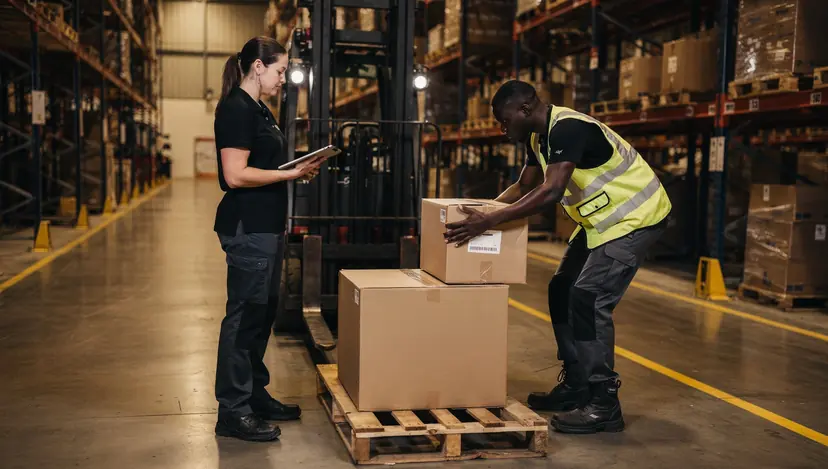 Illustrative
The problem
What we see in warehousing and logistics
- Back injuries from lifting, carrying and repetitive order picking
- Injury-on-duty claims and lost-time incidents affecting KPIs
- No quantified manual-handling risk scores for tasks
- Fatigue on concrete floors over long shifts
- Peak-season temp staff with no handling training
The legal angle
Ergonomics Regulations, 2019 under the Occupational Health and Safety Act 85 of 1993; manual handling of loads, repetitive picking, forklift and reach-truck seating.
Free screening
Start with a 3-minute check
Also: Book manual handling training
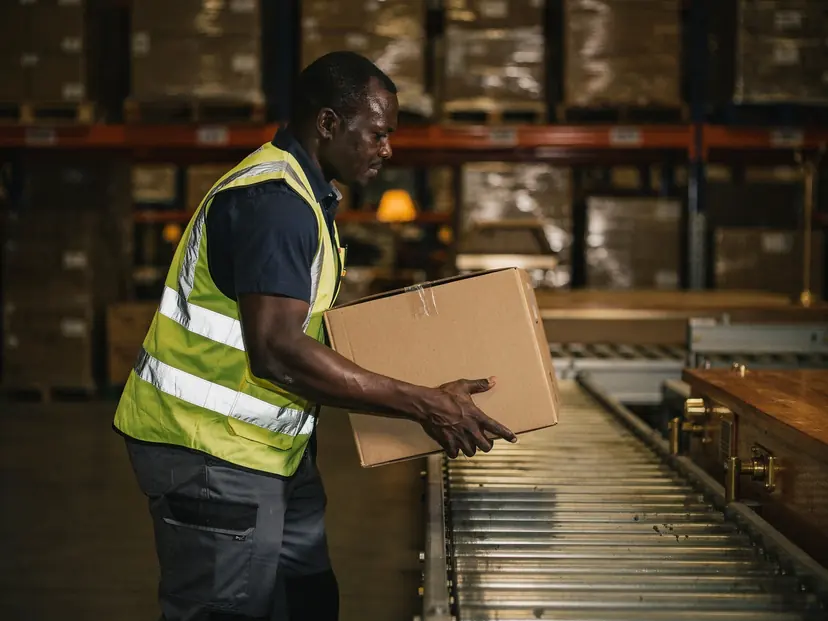 Illustrative
 Illustrative
Our method
Measure the person. Fit the task. Document every change.
Services
How we fix it
Indicative launch prices, excl. VAT, "from" prices - final quote after scoping.
Entry
Score 3 highest-risk lifts
from R5,550
Core
Site risk assessment + manual handling training for 40
from R42,500
Premium
Annual programme: assessments, peak inductions, case management
from R95,000
Supply it
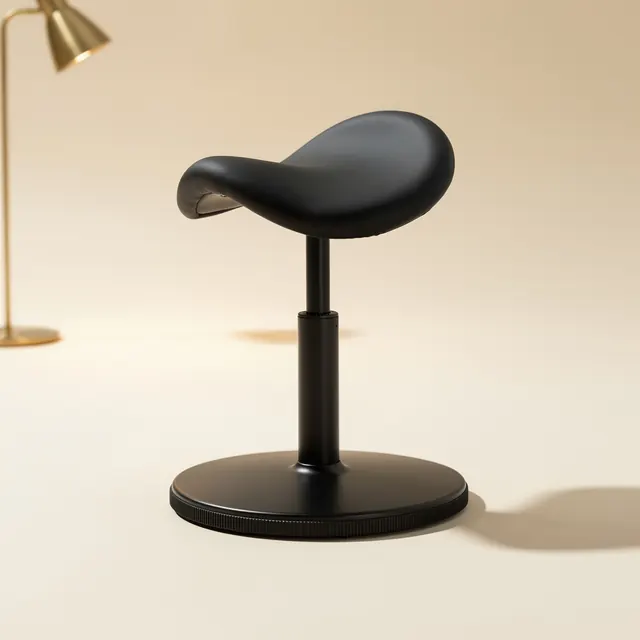
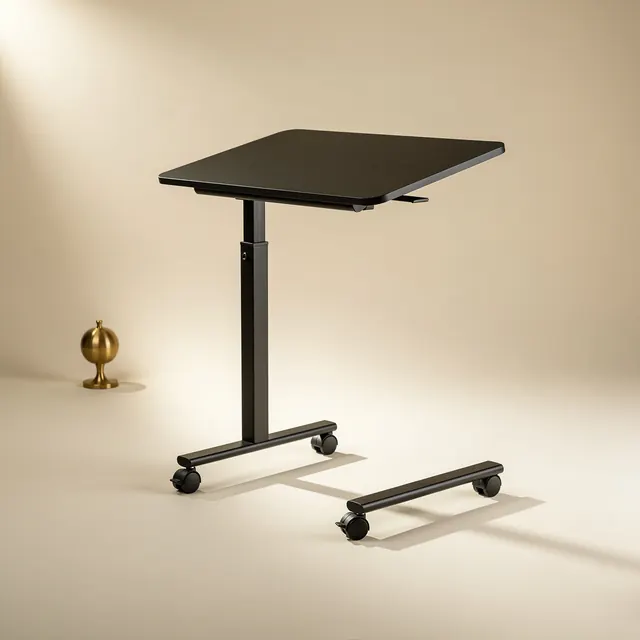
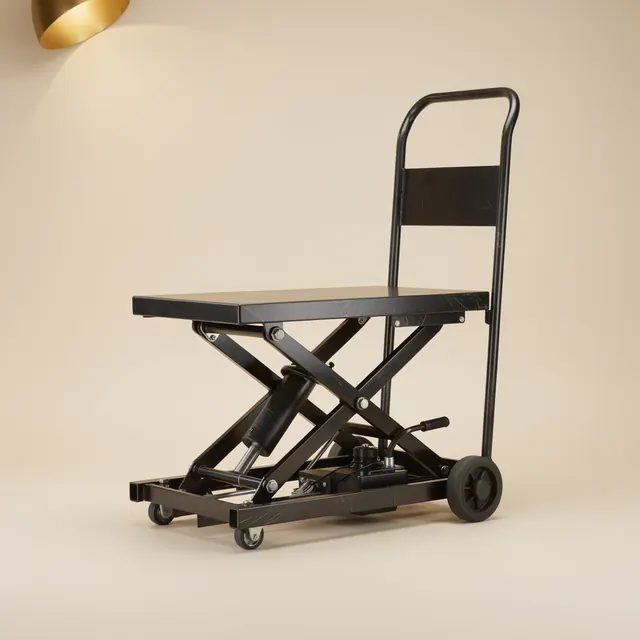
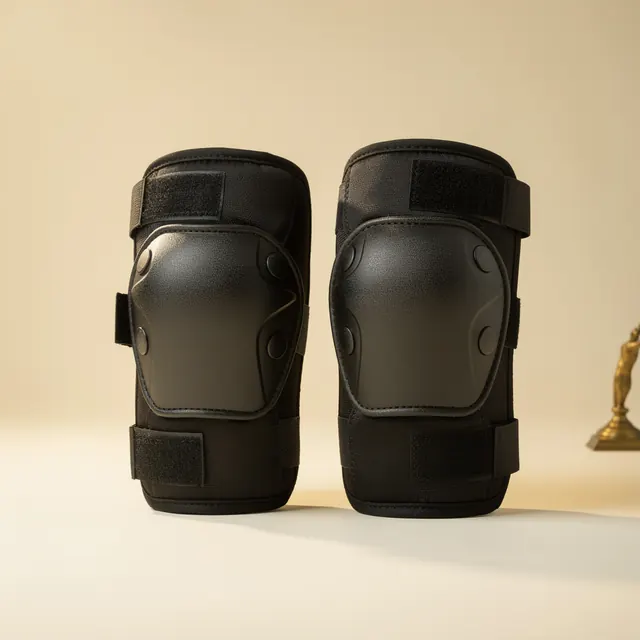
Recommended equipment
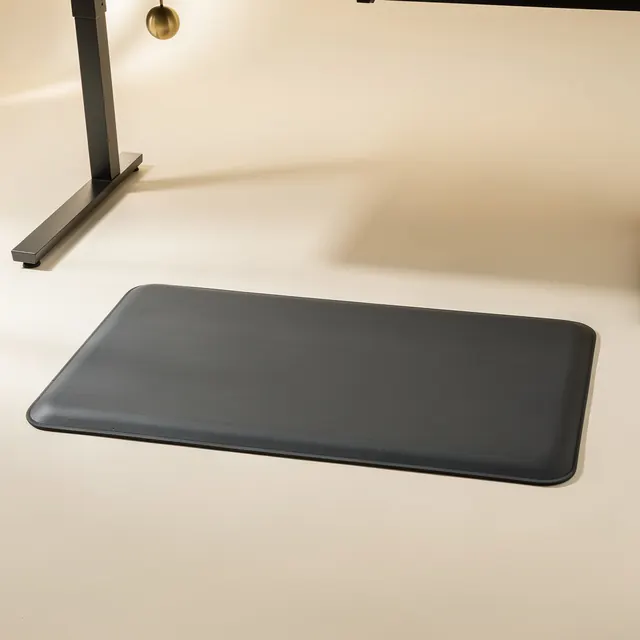
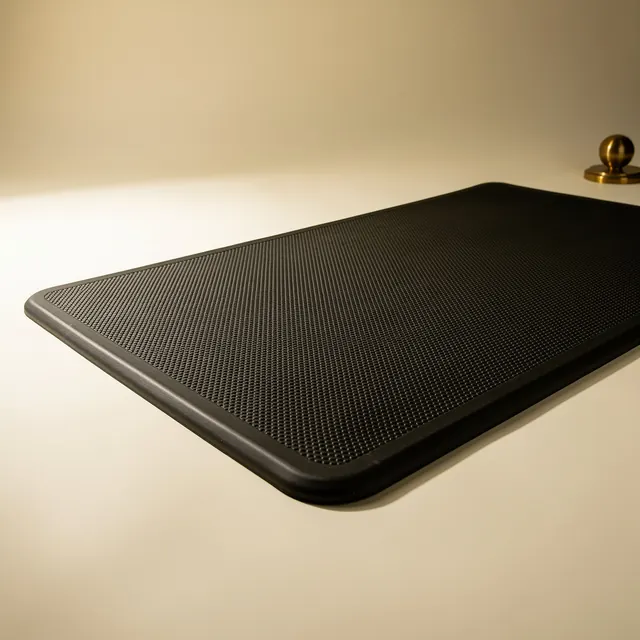
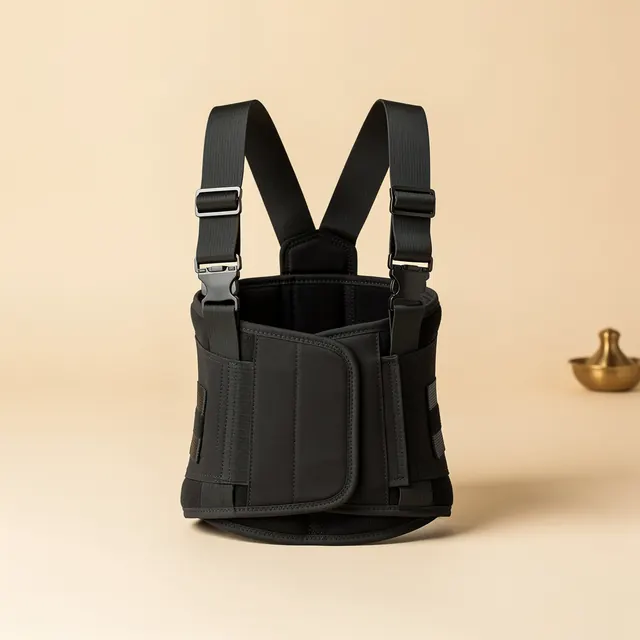
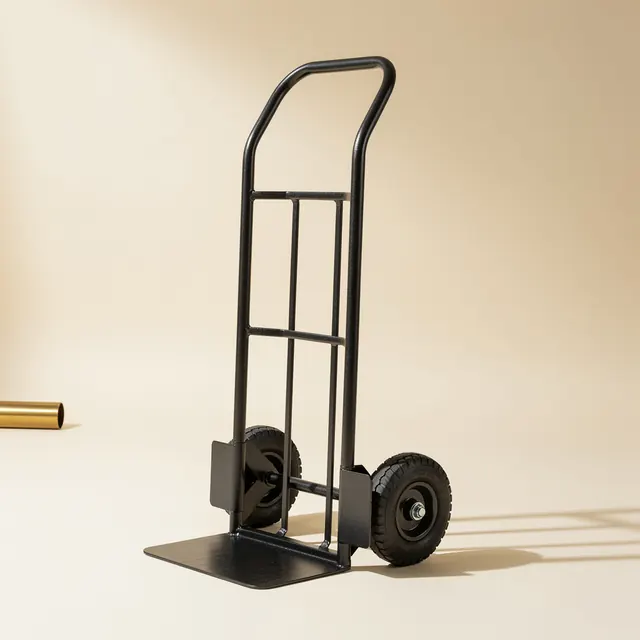
Questions we get asked
Do back belts prevent injuries?+
Not on their own. We only recommend supports after a task assessment, alongside training and task redesign.
Can you train temps fast?+
Yes. The peak-season induction is a 45-minute practical session per group.
What do we get after an audit?+
A ranked risk register with practical controls, cost estimates and a re-assessment date.
Do you work nationally?+
Yes, through the group's national practitioner network.
Score your highest-risk lifts
Tell us about your team and we will come back within one working day.